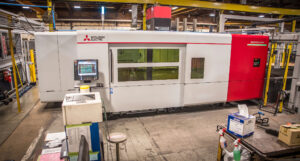
When it comes to precision cutting, 2 technologies consistently stand out in the manufacturing world: laser cutting and waterjet cutting. Both processes deliver exceptional accuracy and versatility, but each has unique strengths that make it better suited for certain applications.
Choosing the right cutting method can impact everything from production costs and turnaround times to part quality and material performance. Understanding the differences between laser and waterjet cutting can help you select the best solution for your project.
Material Compatibility
One of the most significant differences between laser cutting and waterjet cutting is the range of materials they can process.
Laser Cutting
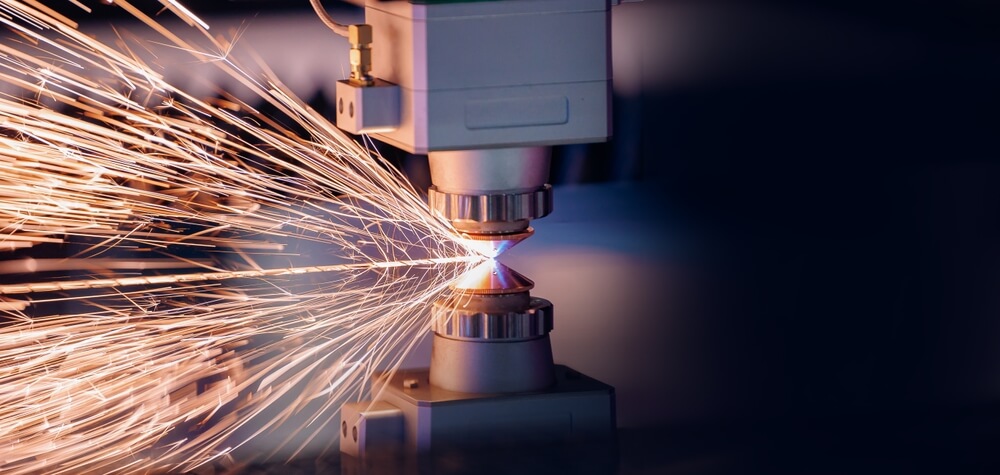
Laser cutting uses a highly focused beam of light to melt, burn, or vaporize material. It excels at cutting:
- Carbon steel
- Stainless steel
- Aluminum
- Certain plastics
- Thin composite materials
Because the process relies on heat, laser cutting may be less effective on highly reflective materials such as copper and brass. It can also face limitations when cutting thicker materials.
Waterjet Cutting
Waterjet cutting uses a high-pressure stream of water combined with abrasive particles to erode material with incredible precision. This process can cut nearly any material, including:
- Metals
- Stone
- Glass
- Rubber
- Plastics
- Composites
- Ceramics
Since waterjet cutting does not generate heat, it is especially effective for materials that could be damaged or distorted by thermal processes.
Bottom Line: If your project involves heat-sensitive materials or a variety of material types, waterjet cutting is often the better option. For standard metals and thinner materials, laser cutting typically offers greater efficiency.
Precision and Edge Quality
Both technologies are known for precision, but they achieve it in different ways.
Laser Cutting
Laser cutting is renowned for:
- Tight tolerances
- Fine details
- Smooth, clean edges
- Minimal finishing requirements
This makes it an excellent choice for intricate components, decorative elements, and applications where appearance is important.
Waterjet Cutting
Waterjet cutting also delivers excellent accuracy while preserving the material’s original properties. Because there is no heat involved, there is no heat-affected zone (HAZ).
This is particularly beneficial for:
- Structural components
- Aerospace applications
- High-performance parts
- Materials sensitive to heat distortion
Bottom Line: Choose laser cutting for intricate designs and exceptionally clean edges. Choose waterjet cutting when maintaining material integrity and performance is critical.
Speed vs. Cost: Finding the Right Balance
Production schedules and budgets often play a major role in selecting a cutting method.
Laser Cutting
Laser cutting is generally faster, especially when processing thinner metals. Its speed can provide several advantages:
- Faster turnaround times
- Increased production efficiency
- Lower costs for high-volume jobs
- Reduced post-processing requirements
Waterjet Cutting
Waterjet cutting is typically slower and may involve higher operating costs due to abrasive materials and increased energy usage. However, these costs can be offset when working with expensive or difficult materials that require flawless results.
Waterjet cutting can help reduce:
- Material waste
- Heat-related defects
- Secondary processing requirements
Bottom Line: For standard production jobs where speed and cost efficiency are priorities, laser cutting often has the advantage. For specialized materials and demanding applications, waterjet cutting may provide greater overall value.
Choosing the Right Process for Your Project
There is no universal answer when it comes to selecting a cutting technology. The best choice depends on your material, application, budget, and performance requirements.
Laser Cutting Is Ideal For:
- Fast turnaround times
- High-volume production
- Thin to medium-thickness metals
- Intricate designs and tight tolerances
- Projects requiring clean, finished edges
Waterjet Cutting Is Ideal For:
- Thick materials
- Heat-sensitive components
- Mixed-material applications
- Maintaining material strength and integrity
- Complex or high-value parts
Why Working with the Right Partner Matters
The most successful manufacturing projects begin with choosing the right process, not forcing a process to fit the design.
At Jones Metal Inc., we understand that every project is unique. By leveraging knowledge of advanced cutting technologies and decades of fabrication expertise, we help customers identify the most effective manufacturing solution for their application.
Whether you need the speed and precision of laser cutting or the versatility and material preservation of waterjet cutting, our team can help you determine the best tool for the job.
Ready to Start Your Next Project?
Contact Jones Metal Inc. to discuss your material requirements, production goals, and project specifications. Our experienced team is ready to help you find the right cutting solution for superior results.